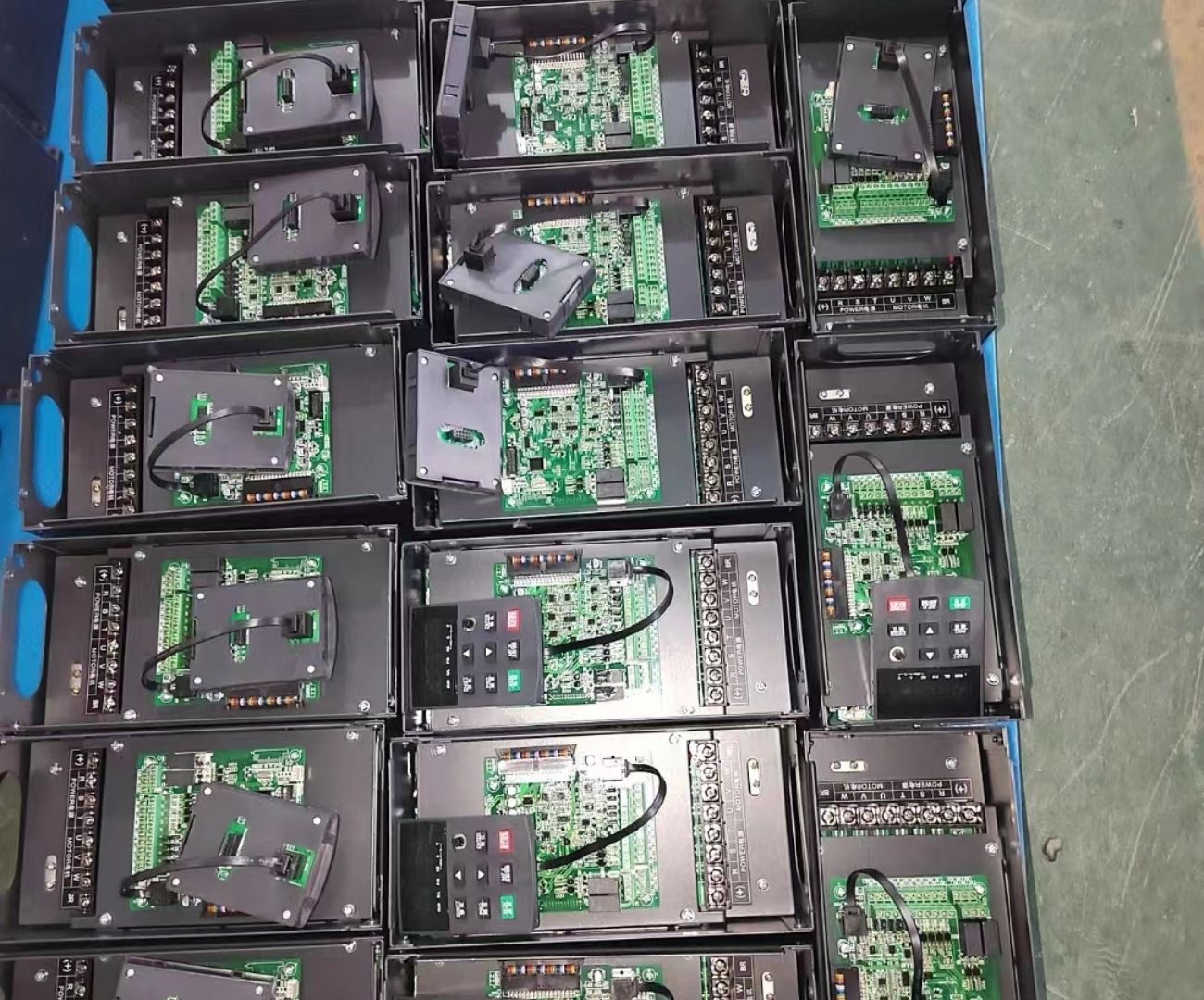

If you’re in the industrial or engineering space, chances are you’ve heard of Variable Frequency Drives (VFDs). These nifty devices are revolutionizing how we control motors, optimize energy use, and improve system efficiency. But how do they actually work? Let’s break it down in simple terms.
What is a VFD?
First things first: a Variable Frequency Drive (VFD), also known as an Adjustable Frequency Drive (AFD) or Inverter, is an electronic device used to control the speed and torque of an electric motor. It does this by adjusting the frequency and voltage of the power supplied to the motor. In other words, a VFD lets you tell a motor how fast or slow to run, depending on the needs of your application.
Why Should You Care About VFDs?
Before diving into the working principle, let’s talk about why VFDs are such a big deal:
- Energy Savings: VFDs reduce energy consumption by matching motor speed to the actual load, which is especially useful in applications like pumps and fans.
- Process Control: They enable precise control of motor speed, improving efficiency and product quality in industries like manufacturing and food processing.
- Equipment Protection: VFDs can softly start and stop motors, reducing mechanical stress and extending the lifespan of your equipment.
Now, let’s get into the nitty-gritty of how a VFD works.
The Working Principle of a VFD
At its core, a VFD converts incoming AC (Alternating Current) power into DC (Direct Current) and then back into AC with adjustable frequency and voltage. Here’s a step-by-step breakdown:
1. Rectifier: AC to DC Conversion
The process starts with the rectifier, which converts the incoming AC power into DC. This is done using diodes or thyristors, which allow current to flow in only one direction. The result is a rough, pulsating DC signal.
2. DC Bus: Smoothing the Signal
The pulsating DC signal isn’t very useful on its own, so it’s sent to a DC bus. Here, capacitors and inductors smooth out the signal, creating a stable DC voltage. Think of this as the “waiting room” where the power is stored before being converted back into AC.
3. Inverter: DC to AC Conversion
Now comes the fun part. The inverter uses PWM (Pulse Width Modulation) or other techniques to convert the DC power back into AC. By rapidly switching transistors (like IGBTs or MOSFETs) on and off, the inverter creates an AC output with variable frequency and voltage. This is how the VFD controls the motor’s speed.
4. Output Control
Finally, the VFD sends this adjustable AC power to the motor. By changing the frequency and voltage, the VFD can make the motor run faster, slower, or even reverse direction, all while maintaining optimal performance.
Practical Applications of VFDs
VFDs are incredibly versatile and are used in a wide range of industries. Here are a few examples:
- HVAC Systems: VFDs control the speed of fans and pumps, optimizing energy use in heating and cooling systems.
- Industrial Machinery: They regulate conveyor belts, mixers, and other equipment, ensuring smooth operation and reducing wear and tear.
- Water Treatment: VFDs manage pumps and compressors, making water treatment processes more efficient.
- Renewable Energy: They optimize performance in wind turbines and solar power systems.
Key Takeaways
So, what’s the working principle of a VFD in a nutshell? It’s all about converting AC power to DC and then back to AC with adjustable frequency and voltage. This process allows precise control of motor speed, leading to energy savings, better process control, and longer equipment life.
If you’re working with motors or systems that require speed control, investing in a VFD is a no-brainer. Not only will it save you money in the long run, but it’ll also make your operations more efficient and sustainable.
And there you have it! A straightforward explanation of VFD working principle. Got any questions or experiences to share? Drop them in the comments below—I’d love to hear your thoughts!
Leave Comment