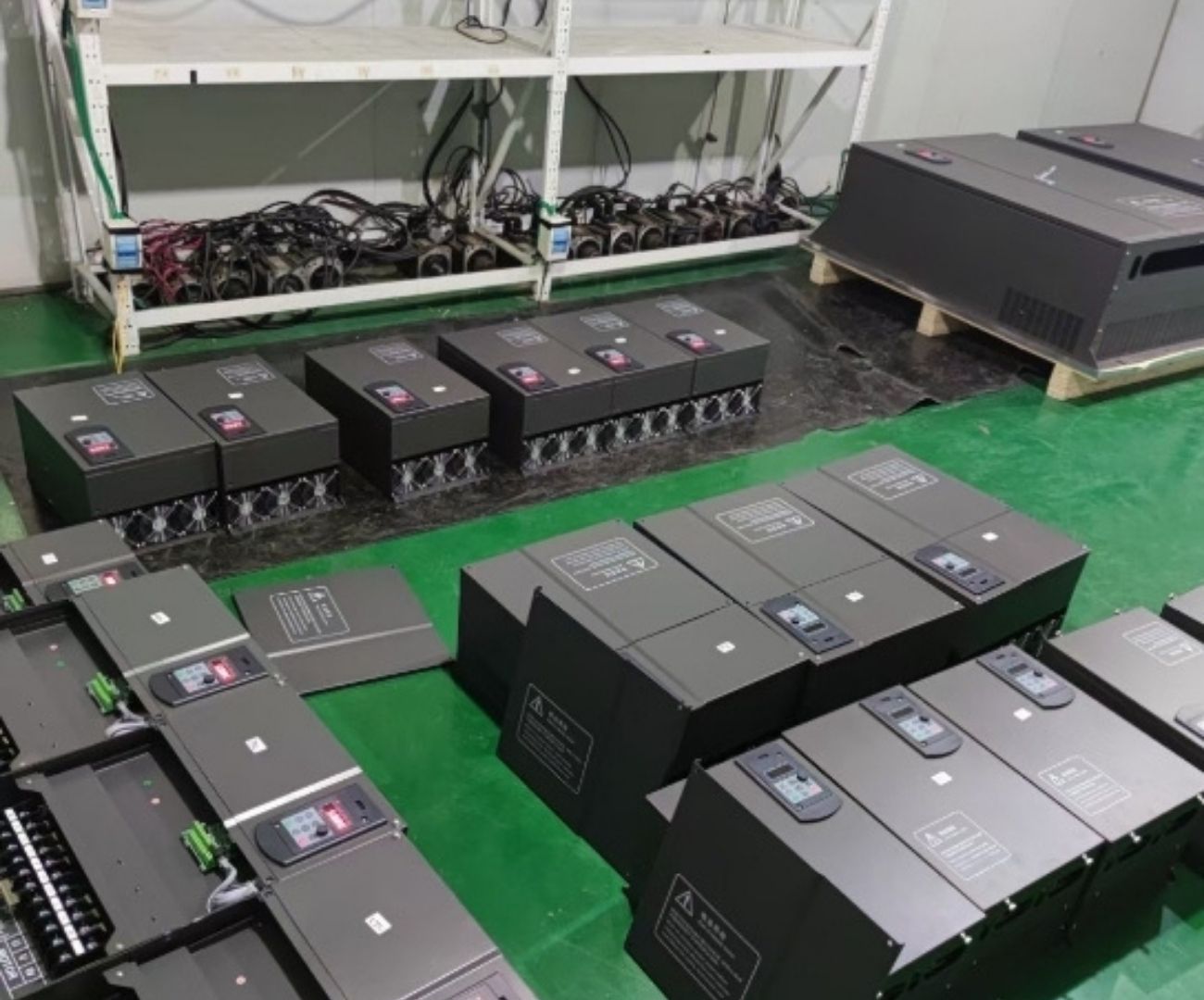

In today’s industrial and commercial world, efficiency and precision are key to optimizing operations. One of the most important technologies that enable this is the Variable Frequency Drive (VFD). But what exactly is a VFD, and how does it work? In this blog, we’ll dive into the basics of VFDs, their functionality, and their applications.
What is a VFD?
A Variable Frequency Drive (VFD), also known as an Adjustable Frequency Drive (AFD) or Inverter, is an electronic device used to control the speed and torque of an electric motor by varying the frequency and voltage of the power supplied to it. Essentially, a VFD allows you to adjust the speed of a motor to match the requirements of a specific application, improving energy efficiency and process control.
VFDs are widely used in industries, HVAC systems, and commercial machinery to optimize motor performance, reduce energy consumption, and extend the lifespan of equipment.
How Does a VFD Work?
At its core, a VFD converts incoming AC (Alternating Current) power into DC (Direct Current) and then converts it back to AC with adjustable frequency and voltage. Here’s a step-by-step breakdown of how a VFD works:
1. Rectifier (AC to DC Conversion)
The VFD first takes the incoming AC power and converts it into DC using a rectifier circuit. This ensures a stable DC voltage for the next stage.
2. DC Bus
The converted DC power is stored in a DC bus, which acts as a buffer and smooths out the voltage for consistent operation.
3. Inverter (DC to AC Conversion)
The VFD then uses an inverter to convert the DC power back into AC. This is where the magic happens: the inverter uses PWM (Pulse Width Modulation) or other techniques to create an AC output with variable frequency and voltage.
4. Output Control
The VFD adjusts the frequency and voltage of the AC output to control the motor’s speed and torque. This allows the motor to operate at the optimal speed for the application, reducing energy waste and improving performance.
Key Benefits of Using a VFD
-
Energy Efficiency By matching the motor speed to the load requirements, VFDs reduce energy consumption, especially in applications like pumps, fans, and conveyors, where constant speed operation is unnecessary.
-
Process Optimization VFDs allow precise control of motor speed, enabling better process control and product quality in industries such as manufacturing and food processing.
-
Reduced Mechanical Stress Soft-start and soft-stop capabilities reduce wear and tear on motors and connected equipment, extending their lifespan.
-
Cost Savings Lower energy usage and reduced maintenance costs make VFDs a cost-effective investment in the long run.
Applications of VFDs
VFDs are versatile and can be found in a wide range of applications, including:
- HVAC Systems: Controlling the speed of fans and pumps to optimize energy usage.
- Industrial Machinery: Regulating conveyor belts, mixers, and other equipment.
- Water Treatment: Managing pumps and compressors for efficient water treatment processes.
- Renewable Energy: Optimizing performance in wind turbines and solar power systems.
Conclusion
A Variable Frequency Drive (VFD) is a powerful tool for controlling motor speed and improving energy efficiency across various industries. By understanding what a VFD is and how it works, businesses can make informed decisions to optimize their operations, reduce costs, and contribute to a more sustainable future.
Whether you’re managing an industrial facility or looking to improve the efficiency of your HVAC system, a VFD can be a game-changer. Embrace this technology and unlock its potential for smarter, more efficient motor control.
Leave Comment